In Altamonte Springs, hurricane season doesn’t usually destroy HVAC systems in dramatic ways—it wears them down quietly. After servicing Central Florida homes year after year, one pattern is consistent: systems fail after the storm, not during it, because moisture intrusion, electrical surges, and debris exposure were never addressed ahead of time. Homeowners often assume their AC is safe simply because it’s still running, only to face breakdowns weeks later during peak heat.
This page shares hurricane-season HVAC maintenance insights based on real-world storm recovery and preventative service experience in Altamonte Springs. You’ll learn what actually damages air conditioning systems during Florida hurricanes, which precautions truly matter (and which common tips don’t), and how strategic maintenance before and after storms can extend system life and prevent emergency repairs. The goal is simple: help you protect one of your home’s most expensive systems with informed, storm-specific guidance—not generic advice.
Quick Answers
HVAC maintenance in Altamonte Springs is essential due to year-round heat, high humidity, and frequent storm activity. Routine preventative maintenance helps systems handle moisture, reduces the risk of electrical damage from power outages, improves energy efficiency, and prevents hidden issues that often appear after hurricane season. For most homes, scheduling professional maintenance at least once a year—ideally before hurricane season—provides the best protection and long-term system reliability.
Top Takeaways
Hurricane season reveals HVAC weaknesses—it doesn’t create them.
Power outages, flooding, and humidity cause most post-storm damage.
Preventative maintenance improves efficiency and limits moisture issues.
Systems can appear fine while hiding storm-related damage.
Preparation reduces emergency repairs and protects long-term comfort.
Hurricane Season HVAC Maintenance Tips for Altamonte Springs Homeowners
Hurricane season in Altamonte Springs places unique stress on HVAC systems due to prolonged humidity, sudden power loss, heavy rainfall, and wind-driven debris. Unlike normal summer wear, storm conditions often cause hidden damage—such as electrical issues or moisture buildup—that doesn’t show up immediately but leads to breakdowns weeks later. Proactive HVAC maintenance is the most effective way to prevent these delayed and costly failures during peak cooling season.
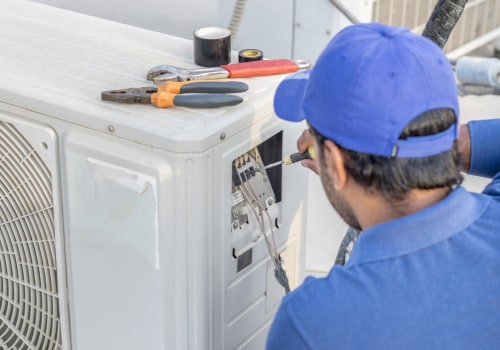
Before hurricane season begins, homeowners should prioritize outdoor unit protection and electrical safety. This includes clearing debris around the condenser, confirming proper drainage, and ensuring the unit is secure and level. Power surges and outages are a leading cause of post-storm HVAC damage in Central Florida, which makes professional inspections and surge protection especially valuable during storm-prone months.
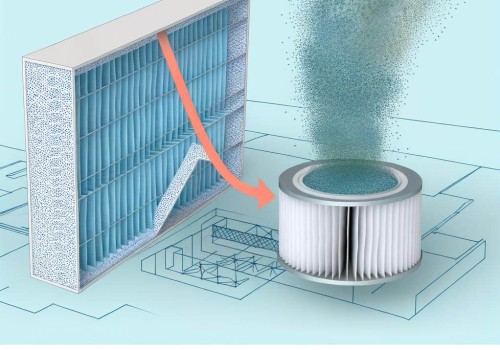
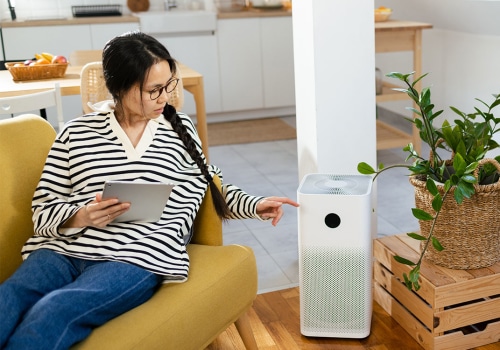
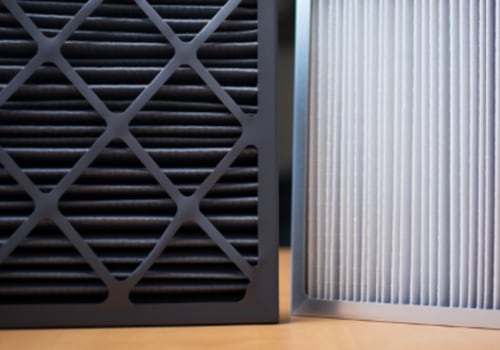
Indoor HVAC components are equally important. After storms, excess humidity creates ideal conditions for mold growth inside air handlers and ductwork. Replacing air filters, checking for moisture intrusion, and addressing airflow or drainage issues helps maintain efficiency and protects indoor air quality long after the storm passes.
For Altamonte Springs homeowners, hurricane-season HVAC maintenance isn’t about over-preparing—it’s about understanding how Florida storms actually affect air conditioning systems. Targeted, storm-aware maintenance helps reduce emergency repairs, extend system lifespan, and keep homes comfortable and reliable throughout hurricane season.

“Hurricane season doesn’t usually break HVAC systems overnight—it exposes the weak points that were already there. In Altamonte Springs, the systems that last longest are the ones prepared for moisture, power instability, and storm stress before the first storm arrives.”
7 Essential Resources
Maintaining your HVAC system in Altamonte Springs isn’t just about comfort—it’s about protecting your home, your air quality, and your long-term investment. The following resources are ones we consistently recommend because they help homeowners make smart, preventative decisions based on trusted information, local conditions, and proven best practices.
Each resource below supports proactive care, informed planning, and confident next steps—especially important in Central Florida’s storm-prone climate.
U.S. Department of Energy: Proven Maintenance Tips That Improve Efficiency
This resource explains how routine HVAC maintenance helps systems run more efficiently, lowers energy bills, and reduces the likelihood of unexpected breakdowns during peak cooling months.
https://www.energy.gov/energysaver/maintaining-your-air-conditioner
EPA Indoor Air Quality Guidance: Keeping Your Home’s Air Clean and Healthy
The EPA outlines how HVAC upkeep directly affects indoor air quality, humidity control, and mold prevention—critical factors for Altamonte Springs homes during hurricane season.
https://www.epa.gov/indoor-air-quality-iaq/maintaining-your-hvac-system
Florida DBPR License Verification: Making Sure Your HVAC Provider Is Properly Licensed
Before scheduling service, this official Florida database allows homeowners to confirm that their HVAC contractor meets state licensing and regulatory requirements.
https://www.myfloridalicense.com
NOAA Hurricane Preparedness Resources: Understanding Storm Impacts on HVAC Systems
NOAA’s hurricane readiness guidance helps homeowners understand how flooding, high winds, and power outages can affect HVAC equipment—and why preparation matters.
https://www.nhc.noaa.gov/prepare/ready.php
ENERGY STAR Heating & Cooling Information: Recognizing Well-Maintained, High-Performing Systems
ENERGY STAR explains what homeowners should expect from properly maintained HVAC systems, including performance benchmarks and efficiency indicators.
https://www.energystar.gov/products/heating_cooling
Seminole County Emergency Management: Local Storm and Flood Awareness
This local resource provides Altamonte Springs–specific emergency planning information, including flood considerations that can directly impact outdoor AC units and electrical components.
https://www.seminolecountyfl.gov/departments-services/emergency-management
Better Business Bureau HVAC Guidance: Choosing a Service Provider With Confidence
The BBB helps homeowners evaluate HVAC companies using reviews, complaint history, and accreditation—adding an extra layer of confidence when selecting ongoing maintenance support.
https://www.bbb.org/all/scamstudies/hvac
Supporting Statistics
Hurricane-season HVAC issues in Altamonte Springs are not random. They follow clear, documented patterns that align with what homeowners experience after major storms. The statistics below highlight the most common risks and why preventative maintenance matters.
1. Storm-Related Power Outages Increase HVAC Failure Risk
Electrical damage is one of the most frequent post-storm HVAC issues.
Weather-related power outages in the U.S. have increased by more than 80% since 2011
Hurricanes and severe storms are the leading causes
Power loss and sudden restoration can damage:
Control boards
Capacitors
Compressors
Source: U.S. Department of Energy (.gov)
https://www.energy.gov/articles/weather-related-power-outages-are-increasing
2. Flooding Causes More HVAC Damage Than Wind
Water exposure often creates delayed system failures.
Freshwater flooding causes more hurricane-related property damage than wind
Even shallow flooding can impact:
Outdoor AC condensers
Air handlers
Ductwork and insulation
Moisture-related corrosion often appears weeks after the storm
Source: National Hurricane Center (.gov)
https://www.nhc.noaa.gov/surge/inland_flooding.php
3. Routine HVAC Maintenance Improves Efficiency and Moisture Control
Well-maintained systems recover faster after storms.
Proper HVAC maintenance can improve efficiency by up to 15%
Better efficiency supports:
Faster humidity removal
Reduced moisture buildup
Lower post-storm repair risk
Source: Environmental Protection Agency (.gov)
https://www.epa.gov/indoor-air-quality-iaq/maintaining-your-hvac-system
4. Mold Can Begin Developing Within 24–48 Hours After Storm Exposure
Moisture left unchecked leads to indoor air quality problems.
Mold growth can begin within 24 to 48 hours
HVAC systems are a common starting point:
Air handlers
Evaporator coils
Duct interiors
Early inspection helps prevent long-term contamination
Source: Centers for Disease Control and Prevention (.gov)
https://www.cdc.gov/mold/prevention.htm
Final Thoughts
Hurricane-season HVAC issues in Altamonte Springs are rarely caused by a single storm event. In real-world conditions, hurricanes tend to expose existing weaknesses in HVAC systems rather than create new problems outright.
Homeowners who experience the most post-storm HVAC issues often share common factors:
Deferred maintenance
Undetected moisture exposure
Lack of electrical protection
No post-storm system inspection
From first-hand experience servicing Central Florida homes, a clear pattern emerges:
Homes with preventative HVAC maintenance recover faster after storms
Well-maintained systems maintain better humidity control and air quality
Prepared homeowners avoid emergency repairs during peak heat
Unprepared systems often fail weeks later—not during the storm
Hurricane readiness for HVAC systems isn’t about extreme measures. It’s about understanding how Florida’s heat, humidity, and power instability interact over time and addressing those risks before they escalate.
The most important takeaway for Altamonte Springs homeowners is simple:
Hurricane season doesn’t create HVAC problems—it reveals them
Preparation leads to predictability, reliability, and peace of mind
Preventative maintenance protects comfort long after the storm passes
When storm season arrives, the homes that stay comfortable aren’t lucky—they’re prepared.
Next Steps
Hurricane-season HVAC problems are easiest to prevent when homeowners act early. Use the steps below to reduce risk and protect your system before and after storms.
1. Schedule Preventative HVAC Maintenance
Plan service before hurricane season begins.
Book a professional inspection early
Address electrical, drainage, and wear-related issues
Confirm system performance in high humidity
2. Secure Outdoor HVAC Equipment
Limit wind and water damage.
Clear debris and trim nearby vegetation
Make sure the unit is level and anchored
Check for proper drainage around the condenser
3. Prepare for Power Surges and Outages
Protect sensitive HVAC components.
Install HVAC-rated surge protection
Know how to safely shut off your system
Wait for stable power before restarting
4. Monitor Indoor Air Quality After Storms
Watch for moisture-related issues.
Replace air filters after severe weather
Look for musty odors or high humidity
Schedule an inspection if flooding occurred
5. Verify HVAC Service Providers
Choose qualified professionals.
Confirm licensing with Florida DBPR
Review service history and customer feedback
Work with storm-experienced HVAC technicians
6. Create a Hurricane-Season HVAC Checklist
Stay organized and prepared.
Keep maintenance records accessible
List shutoff steps and service contacts
Review your checklist each storm season
Taking these steps now helps prevent emergency repairs, protects indoor air quality, and keeps your home comfortable throughout hurricane season.

FAQ
Q1: How often should HVAC maintenance be scheduled in Altamonte Springs?
A:
At least once per year
Ideally before hurricane season
Early service reduces humidity, drainage, and electrical issues
Q2: Why is HVAC maintenance more important in Altamonte Springs?
A:
High heat alone isn’t the problem
Humidity, storms, and power instability strain systems
Failures often appear weeks after storms
Q3: What does preventative HVAC maintenance focus on locally?
A:
Moisture and drainage control
Electrical safety and surge risk
Q4: What happens when HVAC maintenance is skipped?
A:
Small issues go unnoticed
Delayed post-storm failures increase
Repair costs and air quality problems rise
Q5: Should HVAC systems be inspected after a storm if they still run?
A:
Yes
Storm damage isn’t always immediate
Inspections catch hidden water or electrical issues early
Learn more about HVAC Care from one of our HVAC solutions branches…
Filterbuy HVAC Solutions - Miami FL - Air Conditioning Service
1300 S Miami Ave Apt 4806 Miami FL 33130
(305) 306-5027
https://maps.app.goo.gl/Ci1vrL596LhvXKU79